Top 5 Smart Plumbing Tips for Homeowners in Hartselle, AL
A plumbing problem always seems to show up at the worst possible time. Whether it’s a clogged drain before guests arrive, a leaking faucet that won’t stop dripping, or a sudden drop in water pressure, even minor plumbing issues can disrupt your daily routine and lead to unnecessary stress. Many homeowners search for plumbers near me when problems become urgent, but taking a proactive approach can help you avoid many common plumbing headaches before they start.
At APEX Plumbing LLC, we believe informed homeowners are better equipped to protect their properties and make smart decisions about their plumbing systems. Serving Hartselle, AL, and surrounding communities, our team works with homeowners on everything from plumbing repairs and fixture installations to drainage solutions, sewer services, and emergency plumbing needs. With decades of combined experience, we’ve seen how a few simple maintenance habits can help homeowners avoid costly repairs and keep their plumbing systems operating efficiently.
If you’re looking for practical ways to protect your home and reduce the likelihood of unexpected plumbing problems, these five smart plumbing tips can make a meaningful difference.
The Value of Preventive Plumbing Maintenance
Your plumbing system is one of the hardest-working systems in your home. Every day, it delivers clean water where you need it and safely removes wastewater from your property. Because most of the system is hidden behind walls, under floors, or underground, it’s easy to overlook its condition until something goes wrong.
Preventive maintenance allows homeowners to identify concerns early, improve efficiency, and reduce the risk of expensive repairs. While professional plumbing services are sometimes necessary, many common problems can be minimized through routine care and awareness.
Benefits of preventive plumbing maintenance include:
- Reduced risk of emergency repairs
- Improved water efficiency
- Lower utility costs
- Longer lifespan for plumbing fixtures and components
- Better system performance
- Reduced risk of water damage
The following tips can help homeowners in Hartselle, AL take a proactive approach to protecting their plumbing systems.
Tip #1: Address Small Leaks Before They Become Major Repairs
A Drip Today Can Lead to Bigger Problems Tomorrow
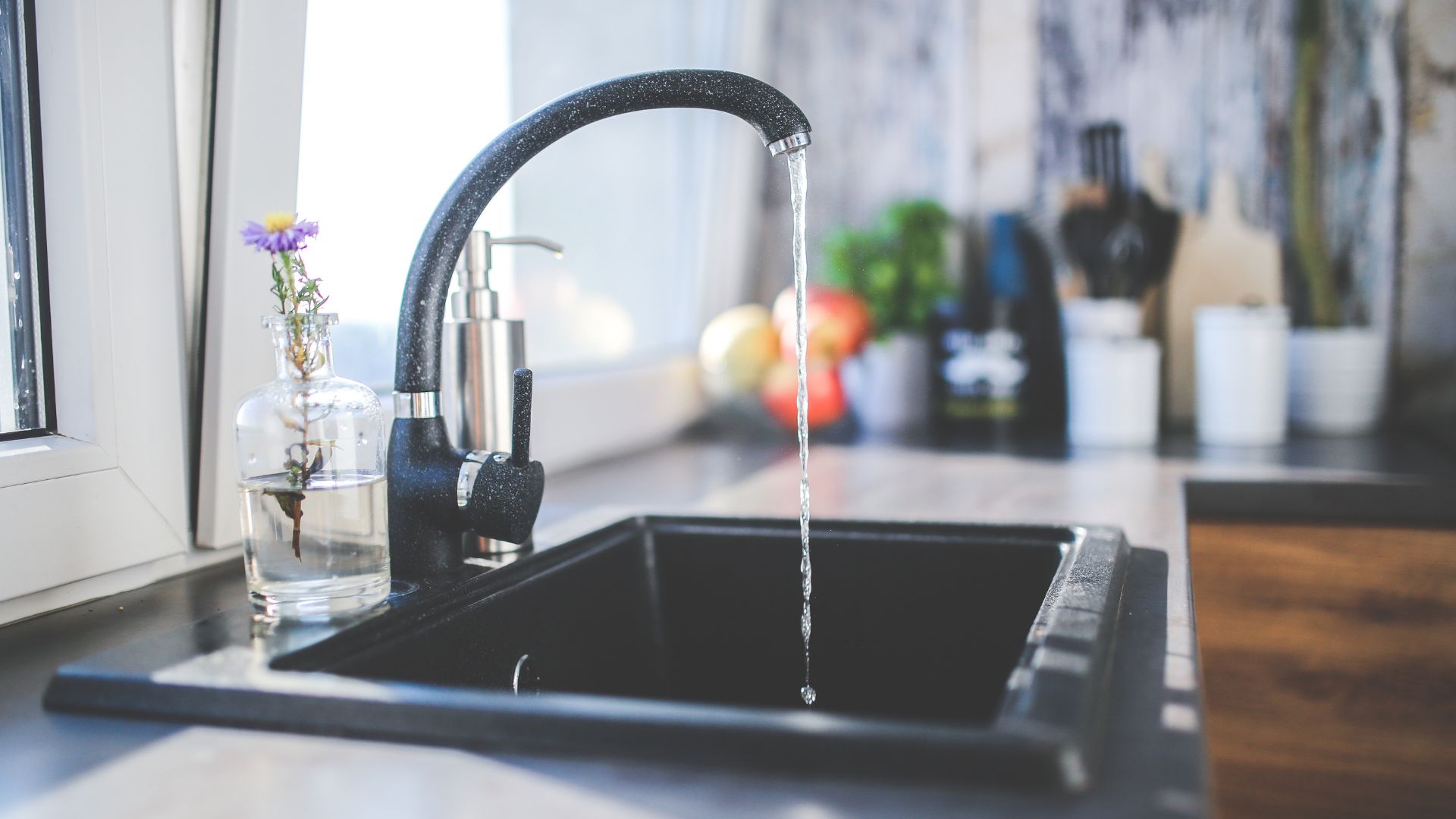
One of the most common plumbing mistakes homeowners make is ignoring small leaks. A faucet that drips occasionally or a tiny leak beneath a sink may not seem serious at first, but even minor leaks can waste significant amounts of water over time.
More importantly, small leaks often indicate underlying wear or damage within your plumbing system. Components such as washers, seals, fittings, and valves naturally wear down over time and may require attention before larger issues develop.
Warning Signs That Shouldn’t Be Ignored
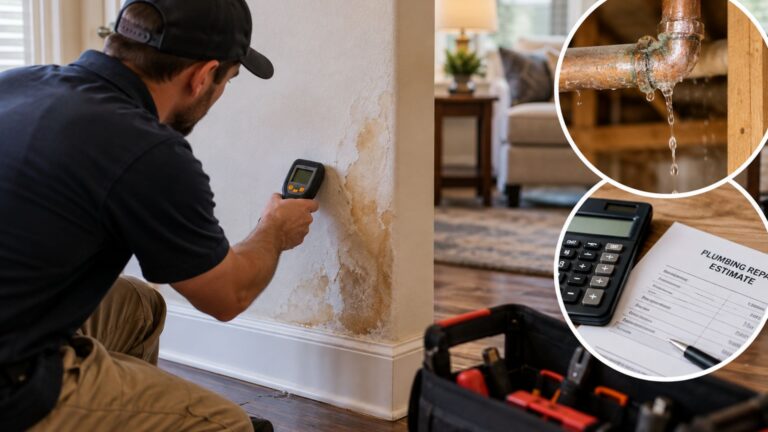
Not all leaks are immediately visible. Some occur behind walls, under floors, or inside cabinets where they can remain hidden for extended periods.
Watch for signs such as:
- Unexplained increases in your water bill
- Damp spots on walls or ceilings
- Water stains
- Musty odors
- Mold or mildew growth
- Soft or warped flooring
- Reduced water pressure
These symptoms may indicate a leak somewhere within your home’s plumbing system.
Monthly Inspections Can Make a Difference
Taking a few minutes each month to inspect visible plumbing fixtures can help identify problems early.
Areas worth checking include:
- Under kitchen sinks
- Bathroom cabinets
- Around toilets
- Water heater connections
- Washing machine hoses
- Outdoor faucets
Early detection often means simpler repairs and less risk of property damage.
Water Damage Often Starts Small
One reason leaks are so important to address promptly is that water damage rarely happens all at once. A slow leak may continue unnoticed for weeks or months before signs become obvious.
Over time, excess moisture can affect:
- Drywall
- Flooring
- Insulation
- Wood framing
- Cabinets
- Structural materials
Many experienced local plumbers agree that addressing leaks as soon as they’re discovered is one of the smartest ways to protect both your plumbing system and your home.
How Water Conservation Benefits Homeowners
Beyond preventing damage, fixing leaks also helps conserve water. Even a small drip can contribute to unnecessary water usage throughout the year.
Reducing waste can:
- Lower monthly utility bills
- Improve household efficiency
- Support responsible water usage
- Reduce strain on plumbing fixtures
Simple repairs often provide both financial and environmental benefits.
Tip #2: Be Mindful of What Goes Down Your Drains
Healthy Drains Start with Good Habits
Drain clogs are among the most common reasons homeowners contact plumbers for assistance. While some clogs are unavoidable, many develop because materials enter the plumbing system that shouldn’t be there.
Your drains are designed to handle water and appropriate waste, but certain substances can accumulate inside pipes and create restrictions over time.
Kitchen Drain Mistakes to Avoid
Many kitchen drain problems begin with materials that seem harmless but can create significant buildup.
Avoid putting these items down kitchen drains:
- Cooking grease
- Oils
- Fats
- Coffee grounds
- Eggshells
- Pasta
- Rice
- Food scraps
Grease is particularly problematic because it can solidify inside pipes and collect other debris, eventually creating stubborn blockages.
Common Bathroom Drain Offenders
Bathroom drains face a different set of challenges.
Items that frequently contribute to clogs include:
- Hair
- Soap residue
- Cotton swabs
- Dental floss
- Paper towels
- Hygiene products
- Cleaning wipes
Even products marketed as flushable can create issues within residential plumbing systems.
Simple Prevention Measures
Fortunately, preventing many drain clogs is relatively easy.
Consider:
- Installing drain strainers
- Disposing of grease in containers rather than sinks
- Cleaning drain covers regularly
- Avoiding excessive food waste disposal
- Being cautious about what gets flushed
These habits can help keep water flowing properly throughout your home.
Protecting the Entire Drainage System
Drain maintenance isn’t only about individual fixtures. Every sink, tub, shower, and toilet connects to a larger drainage network that ultimately leads to your sewer line.
Problems that begin in household drains can contribute to larger concerns if ignored.
Professional plumbing companies often see situations where recurring clogs eventually lead homeowners to discover deeper drainage or sewer-related issues. Taking preventive measures today can help reduce those risks tomorrow.
Tip #3: Learn Where Your Main Water Shut-Off Valve Is Located
Quick Action Matters During Plumbing Emergencies
Many homeowners know where their electrical panel is located, but fewer know how to quickly stop water flow during a plumbing emergency.
If a pipe bursts or a major leak develops, knowing the location of your main water shut-off valve can significantly reduce potential damage.
Every homeowner should familiarize themselves with this critical component before an emergency occurs.
Typical Valve Locations
Depending on your home’s layout, the shut-off valve may be found:
- Near the water meter
- Inside a utility room
- In a crawl space
- Along an exterior wall
- Near the home’s foundation
The exact location varies from property to property.
Make Sure It Functions Properly
Locating the valve is only part of the process.
Valves that sit unused for years can become difficult to operate due to corrosion or mineral buildup. Periodic testing can help ensure the valve works when you need it most.
If you encounter difficulty operating the valve, it may be worth having it evaluated during routine plumbing maintenance.
Household Preparedness Matters
Plumbing emergencies often happen without warning.
Examples include:
- Burst pipes
- Water heater failures
- Supply line leaks
- Frozen pipe damage
- Fixture malfunctions
Preparing in advance can help reduce panic and allow for a faster response when problems occur.
Building a Basic Plumbing Emergency Plan
Every household benefits from having a simple emergency plan.
Consider including:
- Shut-off valve locations
- Emergency contact numbers
- Water heater shut-off information
- Locations of secondary fixture shut-offs
A little preparation can save valuable time during an unexpected situation.
Tip #4: Keep an Eye on Water Pressure
Strong Isn’t Always Better
Good water pressure contributes to comfort and convenience, but excessive pressure can place unnecessary strain on your plumbing system.
While many homeowners appreciate powerful showers and fast-filling sinks, consistently high pressure may increase wear on pipes, fixtures, and appliances.
Over time, this additional stress can contribute to leaks and premature component failure.
Indicators of High Water Pressure
Water pressure problems often reveal themselves through subtle warning signs.
Watch for:
- Banging or vibrating pipes
- Leaking faucets
- Running toilets
- Shortened appliance lifespan
- Unusually forceful water flow
- Frequent plumbing repairs
These symptoms may indicate that pressure levels should be evaluated.
Why Pressure Balance Matters
Proper pressure helps ensure that water moves efficiently throughout the home without placing unnecessary strain on system components.
Maintaining balanced pressure can help protect:
- Pipes
- Faucets
- Showerheads
- Dishwashers
- Washing machines
- Ice makers
- Water heaters
A well-balanced system typically performs more efficiently and experiences fewer issues over time.
Periodic Testing Can Be Helpful
Homeowners can purchase water pressure gauges from local hardware stores for basic monitoring.
If readings seem unusually high or if symptoms persist, consulting experienced local plumbers can help determine whether corrective measures are needed.
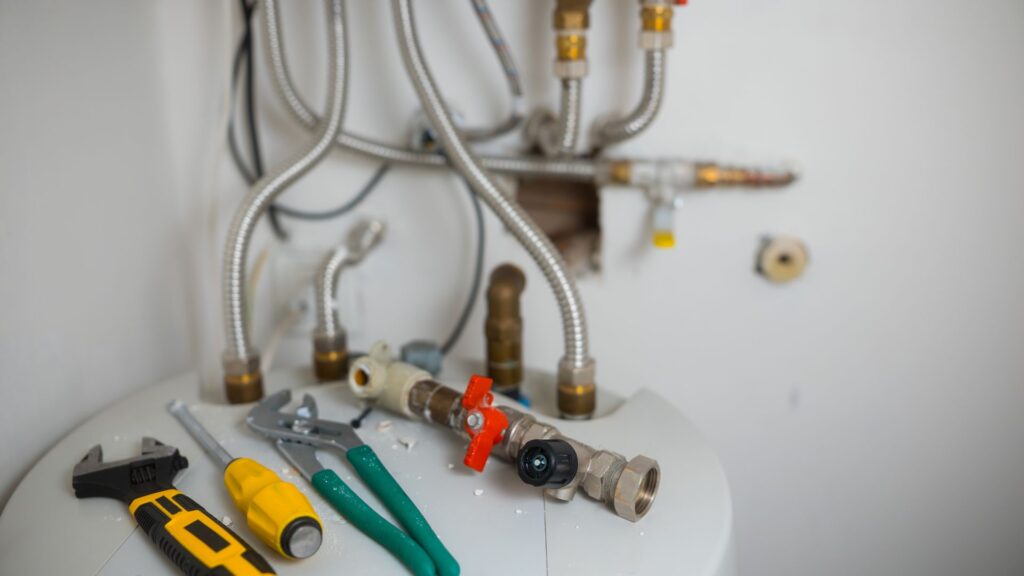
Plumbing Fixtures Depend on Stable Pressure
Many homeowners don’t realize how closely water pressure affects everyday plumbing fixtures.
When pressure remains within an appropriate range, fixtures often experience:
- Reduced wear
- Better efficiency
- Improved reliability
- Longer service life
Taking steps to monitor pressure can help preserve the overall health of your plumbing system.
Tip #5: Schedule Routine Professional Plumbing Inspections
Hidden Problems Are Often the Most Expensive
Not every plumbing issue produces obvious symptoms. Some problems develop gradually behind walls, beneath floors, or underground where they may remain unnoticed until significant damage occurs.
Routine inspections provide an opportunity to identify concerns before they become major repairs.
Professional plumbing services can help uncover issues that homeowners may not easily detect on their own.
What a Plumbing Inspection May Include
During a typical inspection, professionals may evaluate:
- Visible pipes
- Water pressure
- Fixture performance
- Drain function
- Water heater condition
- Valve operation
- Supply line integrity
- Signs of leaks
The goal is to identify vulnerabilities and recommend appropriate solutions when necessary.
Long-Term Benefits of Professional Evaluations
Routine inspections can help homeowners:
- Reduce unexpected breakdowns
- Improve plumbing efficiency
- Extend equipment lifespan
- Identify aging components
- Prevent water damage
- Gain peace of mind
Many reputable plumbing companies recommend periodic evaluations as part of responsible homeownership.
Preventive Care Supports Property Value
A well-maintained plumbing system contributes to the overall condition and value of a property.
Potential buyers often appreciate evidence that a home has been properly maintained, particularly when major systems receive regular attention.
Routine inspections help homeowners stay informed about the condition of their plumbing infrastructure and address concerns before they escalate.
Additional Plumbing Habits Worth Following
While the five tips above form an excellent foundation, several other habits can help homeowners maintain a reliable plumbing system.
Check Washing Machine Hoses Regularly
Washing machine supply hoses experience constant pressure and can deteriorate over time.
Inspect hoses periodically for:
- Cracks
- Bulges
- Corrosion
- Loose connections
Replacing aging hoses proactively can help prevent unexpected leaks.
Monitor Water Heater Performance
Water heaters play an essential role in everyday comfort.
Pay attention to signs such as:
- Inconsistent hot water
- Unusual noises
- Visible corrosion
- Water pooling near the unit
Addressing concerns early can help avoid larger problems later.
Protect Outdoor Plumbing Fixtures
Outdoor faucets and exposed plumbing components may be vulnerable to seasonal weather conditions.
Regular inspections can help identify damage before it affects the rest of the plumbing system.
Avoid Overusing Chemical Drain Cleaners
Many chemical drain products contain harsh ingredients that can damage pipes over time.
For recurring drain issues, professional assessment is often a safer and more effective solution.
Common Plumbing Problems Homeowners Encounter
Understanding common plumbing concerns can help homeowners respond appropriately when issues arise.
Frequently encountered problems include:
- Leaking faucets
- Running toilets
- Slow drains
- Low water pressure
- Water heater issues
- Pipe leaks
- Sewer backups
- Fixture malfunctions
While some situations require professional attention, recognizing early warning signs often helps minimize damage and repair costs.
Trusted Plumbing Support for Homeowners in Hartselle, AL
Homeowners in Hartselle, AL understand the importance of having a plumbing system they can depend on every day. From routine maintenance and fixture upgrades to unexpected repairs, having access to experienced plumbing professionals can make a significant difference when issues arise. As a family-owned company serving North Alabama, we understand the needs of local homeowners and the unique challenges that can affect residential plumbing systems throughout the area. Our goal is always to provide dependable service, honest recommendations, and practical solutions that help homeowners make informed decisions about their plumbing needs. By focusing on quality workmanship and responsive service, we strive to build lasting relationships with the communities we serve rather than simply completing one-time repairs.
Frequently Asked Questions About Home Plumbing
Many homeowners have questions about maintaining their plumbing systems and preventing unexpected problems. Understanding the basics can help you make informed decisions, recognize potential warning signs early, and know when it’s time to seek professional assistance. Below are answers to some of the most common plumbing questions homeowners ask.
1. How often should I inspect my home’s plumbing system?
A visual inspection of accessible plumbing components every month is a good habit for homeowners. Checking under sinks, around toilets, near water heaters, and around appliance connections can help identify small issues before they become larger problems.
2. What are the most common causes of clogged drains?
Hair, grease, soap residue, food waste, wipes, and foreign objects are among the most common causes of residential drain clogs. Practicing proper drain care can significantly reduce the likelihood of blockages.
3. Is a small plumbing leak really a concern?
Yes. Even a slow leak can waste water and potentially lead to property damage over time. Small leaks should be addressed promptly to help prevent larger and more expensive repairs.
4. When should I contact a professional plumber?
You should consider professional assistance if you experience recurring clogs, persistent leaks, water pressure issues, sewer odors, unusual plumbing noises, or any problem that continues despite basic troubleshooting.
5. Can regular plumbing maintenance save money?
Preventive maintenance often helps identify issues before they become major repairs. Early detection can reduce repair costs, improve efficiency, and help extend the lifespan of plumbing fixtures and components.
6. Why is water pressure important for plumbing health?
Excessively high water pressure can place additional strain on pipes, fixtures, and appliances. Maintaining balanced pressure helps support efficient performance and may reduce wear throughout the system.
Key Plumbing Insights for Homeowners
Protecting your home’s plumbing system often comes down to consistent habits and early action. While no homeowner can prevent every plumbing issue, taking a proactive approach can help reduce risks, improve efficiency, and support the long-term performance of your plumbing system.
✓ Address small leaks before they turn into larger and more expensive repairs.
✓ Be mindful of what goes down sinks, showers, and toilets to help prevent drain clogs and sewer issues.
✓ Know the location of your main water shut-off valve so you can respond quickly during an emergency.
✓ Monitor water pressure to help protect pipes, fixtures, and household appliances.
✓ Schedule routine plumbing inspections to identify hidden concerns before they become major problems.
By following these smart plumbing practices, homeowners can take meaningful steps toward protecting their property, conserving water, and reducing the likelihood of unexpected repairs. Small preventive measures today can often help avoid larger disruptions tomorrow, allowing your plumbing system to operate more efficiently and reliably throughout the year.
If you need professional plumbing services in Hartselle, AL, whether for repairs, leak detection, drainage solutions, sewer services, fixture installation, emergency plumbing, or new construction plumbing, our team is here to help. Contact us today to learn more about keeping your home’s plumbing system operating at its best.