Hidden Leaks in Decatur Homes: Signs, Detection & Repair Costs
A sudden increase in your monthly water bill, a stubborn damp spot on your living room floor, or the faint sound of running water when every faucet is closed can leave any homeowner feeling unsettled. Water leaks inside a residential plumbing system do not always present as a major burst pipe or an overflowing sink. In reality, some of the most destructive and expensive plumbing failures develop quietly behind sheetrock walls, underneath concrete slabs, or inside dark ceiling cavities.
For homeowners in Decatur, Alabama, identifying early warning signs is your best line of defense against extensive structural damage. Catching a plumbing leak early prevents severe water rot, discourages mold growth, and keeps utility expenses under control.
At APEX Plumbing LLC, we deliver leak detection and repair solutions tailored for residential properties throughout Decatur, Hartselle, and the greater North Alabama region. As a family-owned, licensed, and insured plumbing contractor with over 75 years of combined team experience, our plumbers use non-invasive technology to pinpoint concealed leaks without tearing up your property unnecessarily.
This guide explores the warning signs of hidden water leaks, where plumbing failures occur, what affects repair pricing in Decatur, and how you can protect your home before minor issues turn into costly structural emergencies.
What Every Decatur Homeowner Must Know Before Ignoring a Leak
It can be tempting to postpone calling a plumber when a leak appears small or stays hidden from view. However, even a minor trickle in a pressurized supply line or fixture connection causes compounding damage over time.
Research from the U.S. Environmental Protection Agency’s WaterSense Program shows that average household leaks waste over 10,000 gallons of water every year. That volume equals the water needed to run roughly 300 loads of laundry. Fixing common household leaks saves homeowners approximately 10% on their water bills.
Hidden Leak Impact | Potential Consequence |
Nearly 10,000 gallons of water wasted per year* | Higher household water bills |
Ongoing moisture exposure | Damage to flooring, drywall, wood, or other materials |
Unaddressed water intrusion | Increased risk of mold and additional remediation needs |
Beyond the immediate cost of wasted water, concealed moisture leads to secondary hazards:
- Structural Material Rot: Water degrades drywall, warps subflooring, and weakens structural wood framing over time.
- Rapid Mold Growth: Toxic mold spores thrive in damp, enclosed wall cavities within 24 to 48 hours of water exposure.
- Foundation and Slab Erosion: In North Alabama, slab leaks underneath concrete foundations wash away supporting soil, causing floor cracks and foundation settling.
- Restoration Scope Limits: While APEX Plumbing LLC identifies and fixes the underlying plumbing failure, repairing damaged drywall or replacing ruined hardwood requires secondary restoration contractors. Fixing leaks quickly limits these extra reconstruction expenses.
6 Early Warning Indicators of Concealed Plumbing Leaks
Hidden leaks offer subtle clues if you know what to watch for. Inspect your Decatur home for these six indicators:
1. Unexplained Spikes in Your Water Bill
If your household water habits have remained consistent but your utility statement continues to climb, a concealed leak is often responsible. Compare your current statement against your bills from the same period last year to spot unusual usage spikes.
2. Water Meter Movement When Fixtures Are Inactive
Your residential water meter is one of your most reliable diagnostic tools. If all faucets, showers, washing machines, and outdoor spigots are closed, but the meter dial continues to spin or register usage, water is escaping from your system.
3. Persistent Moisture, Stains, or Peeling Paint
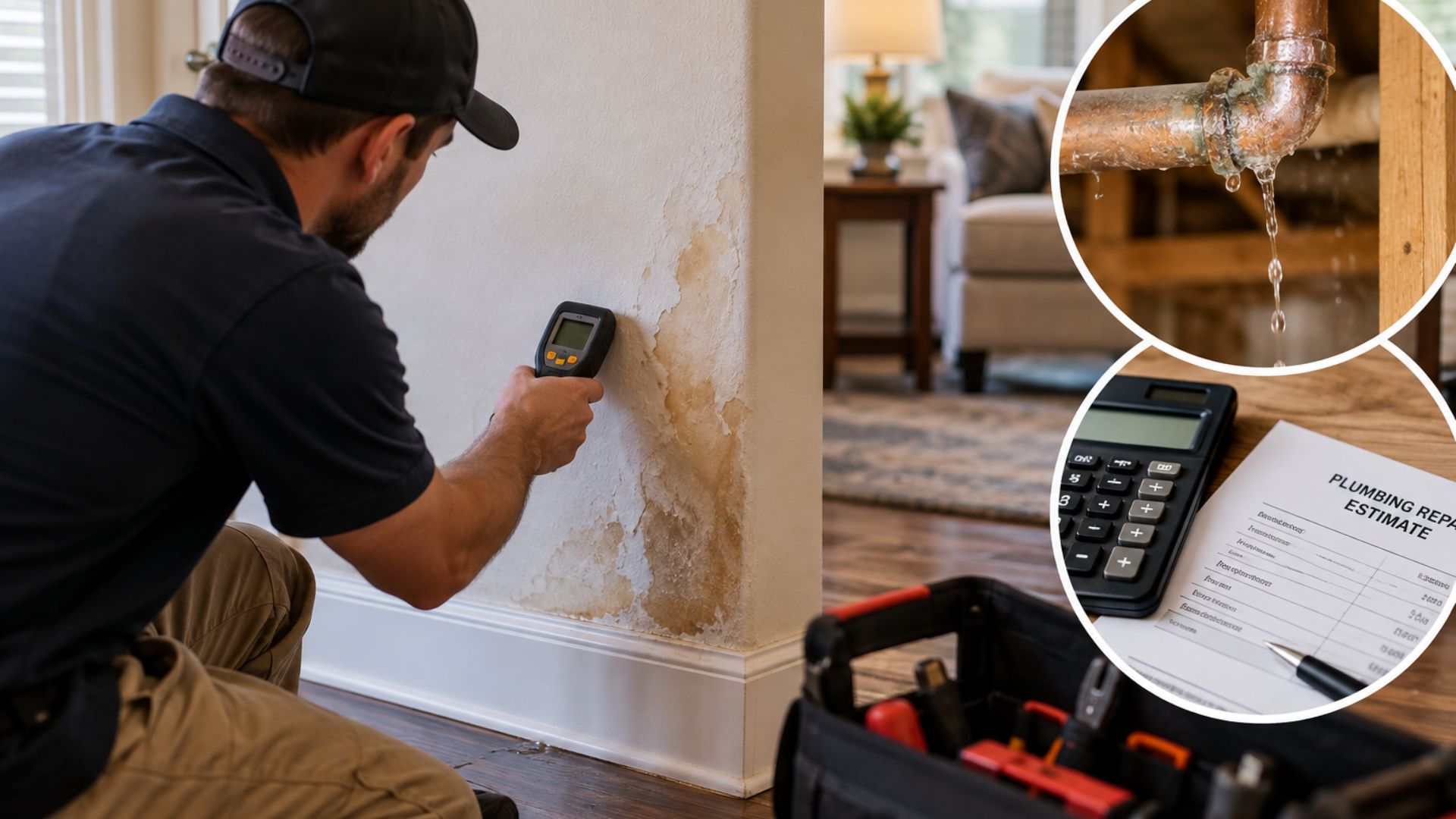
Water follows the path of least resistance. A dark ring on a ceiling, bubbling paint on baseboards, or a soft patch on your drywall often indicates a leaking pipe located several feet away. If an area dries out and becomes wet again, an active plumbing line needs attention.
4. Continuous Sounds of Running or Hissing Water
Hearing a constant hiss, trickle, or hum when no water fixtures are open points to a pressurized supply leak. This sound frequently occurs when copper, PEX, or galvanised pipes developing pinhole leaks inside wall cavities or beneath concrete floors.
5. Unexplained Pressure Drops Across Fixtures
A noticeable drop in household water pressure—or localized pressure loss at a single fixture—can indicate that water is escaping from a main supply line before reaching your kitchen or bathroom taps.
6. Warped Flooring, Cupping Hardwood, or Warm Spots
If you notice vinyl planks lifting, hardwood floorboards cupping, or a distinct warm patch on tile flooring, you may have a hot water supply line leaking underneath your concrete foundation.
Common Areas Where Hidden Plumbing Leaks Develop
Residential plumbing networks contain long runs of pressurized water supply lines and gravity-fed drain pipes. Key places where hidden leaks occur include:
Location | Possible Leak Sources |
Behind Walls | Water supply lines and concealed plumbing connections |
Under or Near Floors | Water lines and other concealed plumbing |
Bathrooms | Toilets, tubs, showers, valves, and supply connections |
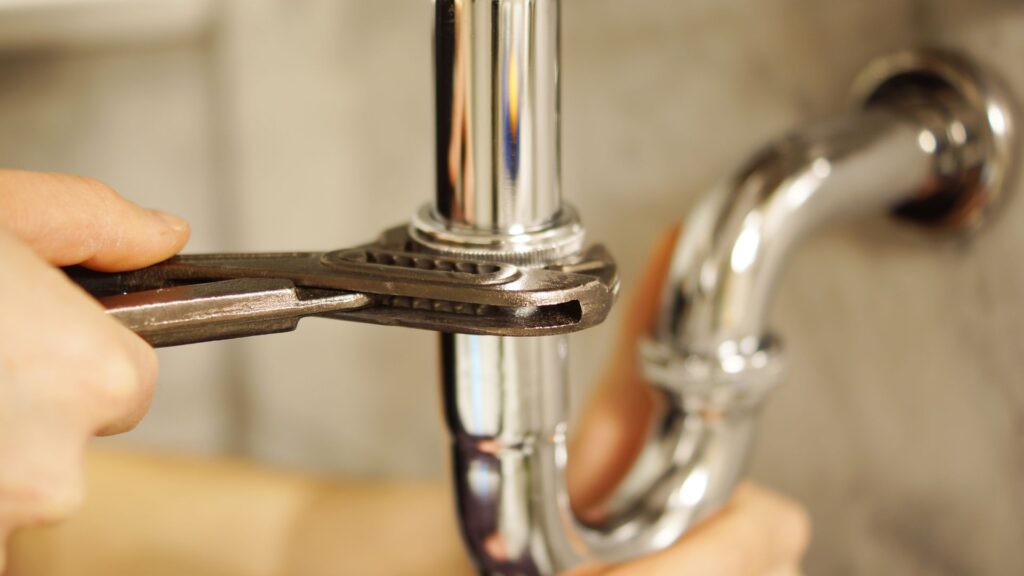
Under Kitchen Sinks | Faucets, supply connections, drains, and visible piping |
- In-Wall Supply Lines: Copper, CPVC, and PEX water lines run inside wall cavities to supply sinks, showers, and toilets. Vibration, fitting corrosion, or high pressure can cause minor drips behind sheetrock.
- Under-Slab Foundation Lines: Many homes in Decatur are constructed on concrete slab foundations. Water lines running beneath the concrete can rub against surrounding rocks and soil, producing slab leaks over time.
- Bathroom Fixture Seals: Toilet flappers and wax rings degrade over time, letting water seep silently into subflooring or run continuously into the sewer line without forming visible floor puddles.
- Kitchen and Utility Cabinets: Flexible ice maker lines, dishwasher supply hoses, and sink drain traps sit in dark cabinets where slow leaks can cause wood rot and mold before being noticed.
Step-by-Step DIY Leak Checks for Homeowners
Before calling a professional plumbing contractor, you can perform these basic diagnostic checks to evaluate your plumbing system:
- Perform a Meter Test: Turn off every tap, valve, and water-using appliance inside and outside your house. Locate your water meter box near the street curb. Write down the current reading, refrain from using water for 30 to 60 minutes, and recheck the meter. Any increase in the reading confirms an active leak.
- Conduct a Toilet Dye Test: Silent toilet leaks are extremely common. Drop 5 to 10 drops of food coloring into your toilet tank and leave it unflushed for 15 minutes. If colored water appears in the toilet bowl, your tank flapper valve needs to be replaced. Flush immediately afterward to avoid bowl staining.
- Inspect Cabinet Spaces: Use a bright flashlight to inspect underneath kitchen, bathroom, and laundry sinks. Feel around shut-off valves, water lines, and drain traps for moisture, corrosion, or warped cabinetry.
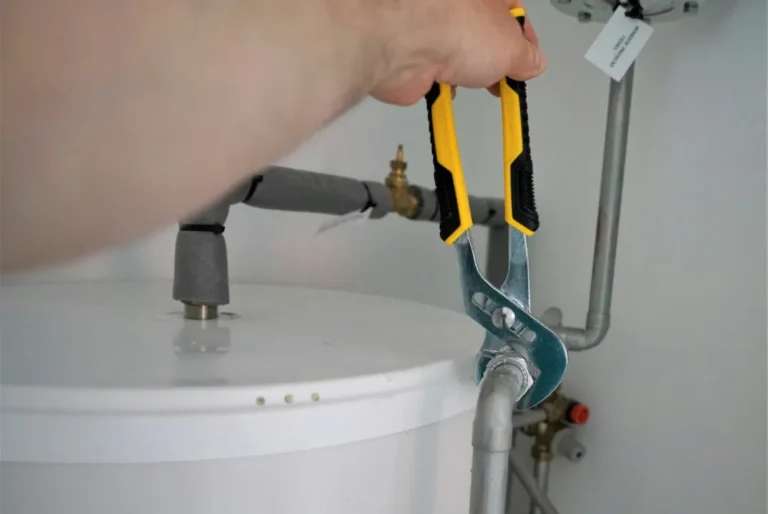
- Examine Water Heater Bases: Inspect the area surrounding your water heater tank. Check for dampness around the temperature and pressure relief discharge pipe, lower drain valve, and inlet flex lines.
If these simple checks confirm water loss but you cannot find the physical source, professional electronic leak detection is necessary.
How Professional Leak Detection Works Without Wall Demolition
Locating a concealed leak requires specialized diagnostic tools. Plumbers do not need to tear out drywall or break concrete floors just to find a suspected leak.
At APEX Plumbing LLC, our local technicians rely on modern, non-invasive technology to pinpoint water leaks efficiently:
- Acoustic Ground Microphones: Amplifies the sound of pressurized water escaping from small pipe cracks behind walls or underground concrete slabs.
- Thermal Imaging Cameras: Detects subtle surface temperature variations across walls and floors to highlight hidden hot water leaks and wet insulation.
- Pressure Testing Equipment: Isolates individual plumbing zones to confirm whether a leak is located on your main supply line, fixture runs, or irrigation line.
Non-invasive detection equipment protects your property from unnecessary destruction, reduces repair times, and keeps overall expenses manageable.
What Determines Hidden Leak Repair Costs in Decatur?
Homeowners often ask what fixing a water leak will cost. Because home floor plans, pipe materials, and access levels vary, repair pricing is evaluated on a case-by-case basis after proper diagnosis.
Factors Affecting Your Overall Repair Quote
- Leak Accessibility: Repairing an exposed valve connection under a sink requires less time than addressing a slab leak embedded in concrete, which may involve overhead pipe rerouting or concrete breaking.
- Pipe Materials: Fixing traditional copper piping requires torch soldering, PEX piping uses specialized mechanical crimp rings, and old galvanized steel lines may require larger section replacements.
- Diagnostic Equipment Needed: Surface-level leaks are easy to identify, whereas concealed main line or under-slab leaks require advanced electronic location equipment prior to repair.
- Repair Scope: Replacing a single worn fitting is a focused job, while replacing a badly corroded water line demands more labor, materials, and time.
Upfront Estimates and Honest Evaluations
We focus on early, discuss repair approaches, and provide clear pricing before any work begins. This process ensures you can make informed decisions without dealing with surprise fees.
Local Plumbing Services Across Decatur and Surrounding Communities
When dealing with a hidden plumbing failure, hiring a knowledgeable local plumber makes a real difference. Our team is based in nearby Hartselle, AL, and serves homeowners throughout Decatur, Morgan County, Limestone County, Madison County, Cullman County, and Huntsville.
Our licensed and insured plumbing team offers a full suite of residential plumbing services:
- Non-invasive leak detection and pipe repairs
- Emergency plumbing services
- Water heater repairs, tankless installations, and maintenance
- Clogged drain clearing and main line drainage solutions
- Sewer line camera inspections and repairs
- Fixture repair, faucet replacement, and toilet upgrades
- New construction plumbing and home remodel piping
Familiarity with regional building codes, North Alabama soil characteristics, and municipal water connections allows our technicians to resolve complex plumbing issues right the first time.
Essential Answers for Decatur Homeowners Facing Water Leaks
1. How much can a small hidden leak raise my monthly water bill?
Even a pinhole leak in a pressurized water pipe can waste hundreds of gallons of water each week. Over a month, this can add tens or hundreds of dollars to your municipal utility statement, making sudden bill increases a prime indicator of hidden plumbing issues.
2. Does a damp spot on drywall always indicate a leaking pipe?
Not always. Damp drywall can stem from roof leaks, high humidity, or HVAC condensation lines. However, if the damp spot stays wet, expands over time, or sits near known plumbing walls, an active pipe leak is the most common cause.
3. Why are slab leaks common in North Alabama homes?
Many Decatur homes are constructed on concrete slab foundations built over red clay soil. As North Alabama clay soil expands and contracts with shifting rainfall levels, ground movement puts stress on copper or PEX water pipes buried beneath the concrete, eventually causing friction cracks.
4. Does homeowners insurance cover the cost of repairing hidden leaks?
Most standard homeowners insurance policies cover water damage restoration resulting from sudden, accidental pipe bursts. However, insurance rarely pays for the plumber’s fee to repair the pipe itself if the failure was caused by age, corrosion, or wear. Check your specific policy details for full coverage information.
5. How long does a professional leak detection service take?
Most non-invasive residential leak detection inspections take between 1 and 2 hours. The duration depends on your home’s square footage, pipe access points, and whether the leak is located inside wall cavities, underground, or under a concrete slab.
6. Can I repair a hidden water leak myself with DIY sealing tape?
Temporary fixes like pipe wrap tape or epoxy putty are short-term emergency stopgaps. They should never be used as permanent solutions inside walls or under slabs. Pressurized water lines require proper pipe cutting, soldering, or approved crimp fittings completed by a licensed plumber to meet local building codes.
7. What should I do immediately if I hear water running behind my walls?
First, turn off your home’s main water shut-off valve—usually located near your water meter box or where the main line enters your home—to stop water flow. Open a low faucet to drain remaining pipe pressure, and call a licensed plumbing technician to perform an acoustic leak inspection.
Protect Your Decatur Home from Hidden Water Damage
Hidden water leaks are easier to manage when they are identified early. Paying attention to changes in water use, recurring moisture, unusual sounds, and other warning signs can help Decatur homeowners recognize when their plumbing needs a closer look.
The key is to focus on the source of the problem rather than only the visible symptoms. Simple checks, such as monitoring your water meter and inspecting accessible fixtures, can provide useful clues. When the source remains unclear, a professional evaluation can help determine where the water is coming from and what type of repair is appropriate.
By staying alert to early signs and addressing confirmed leaks promptly, homeowners can reduce unnecessary water waste and limit continued moisture exposure to surrounding areas of the home.
Quick Summary for Protecting Your Decatur Property
- Watch for Subtle Warning Signals:
Unexplained spikes in your utility bill, persistent damp spots on drywall, sagging subfloors, and the faint sound of running water when all taps are off are primary indicators of a hidden pipe leak. - Understand the Real Cost of Delay:
An unresolved plumbing leak can waste over 10,000 gallons of water annually while increasing the risks of structural wood rot, toxic mold growth within 24–48 hours, and foundation slab erosion. - Run Simple DIY Diagnostic Tests:
Homeowners can confirm active water loss without special tools by monitoring the main water meter for 30 minutes while fixtures are inactive or using a food coloring dye test in toilet tanks. - Rely on Non-Invasive Professional Detection:
Experienced plumbers use acoustic ground microphones and thermal imaging cameras to pinpoint the exact leak location, preventing unnecessary demolition and keeping total repair costs manageable.
Need Fast Help? Don’t let a hidden leak damage your property or drive up utility expenses, contact our licensed team at APEX Plumbing LLC today to schedule a non-invasive leak inspection for your Decatur home.